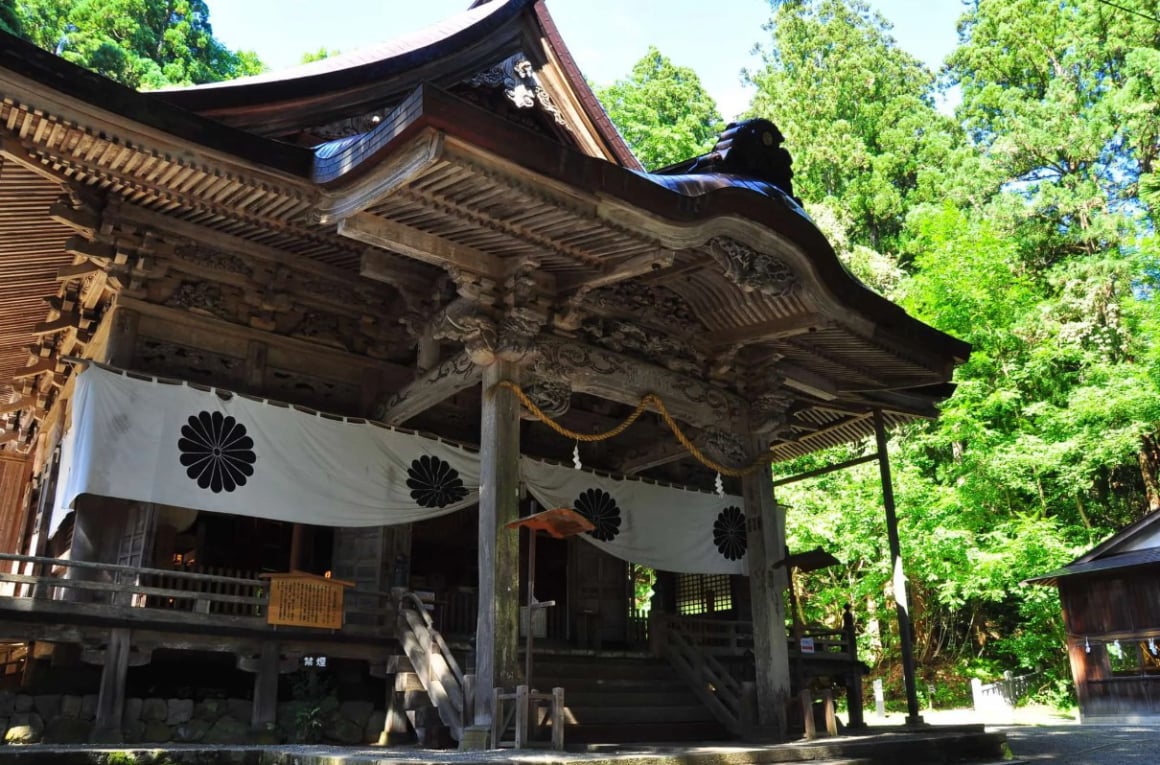
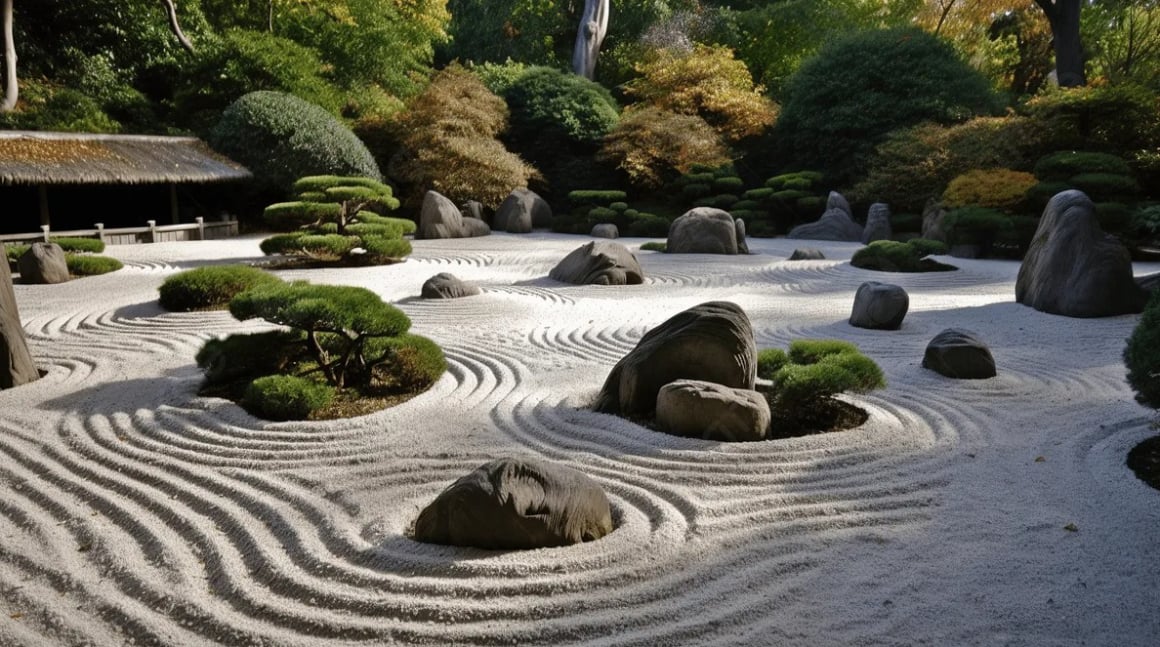
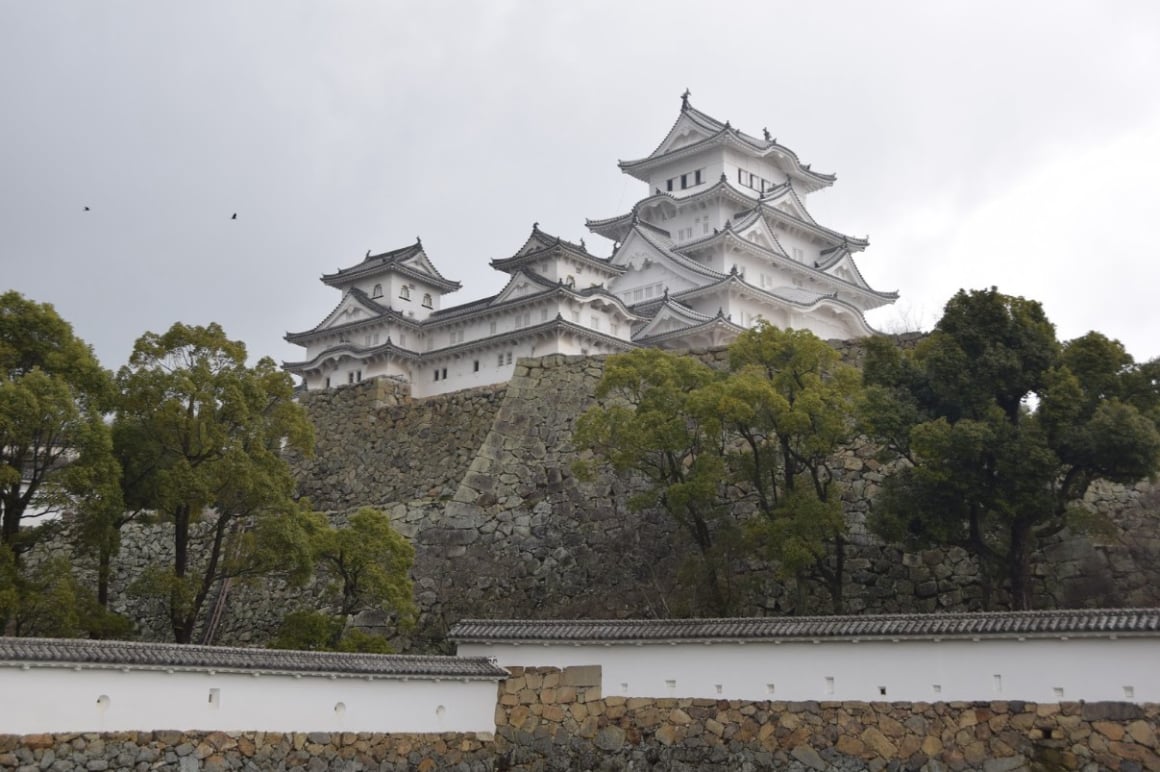
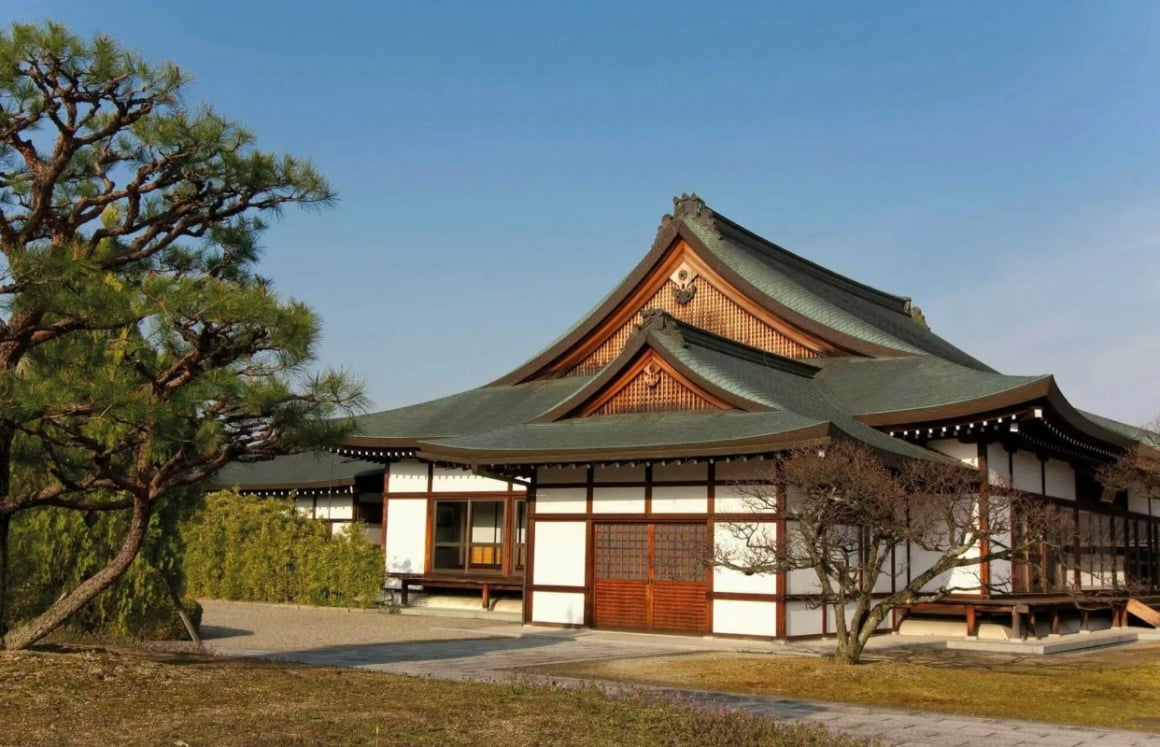
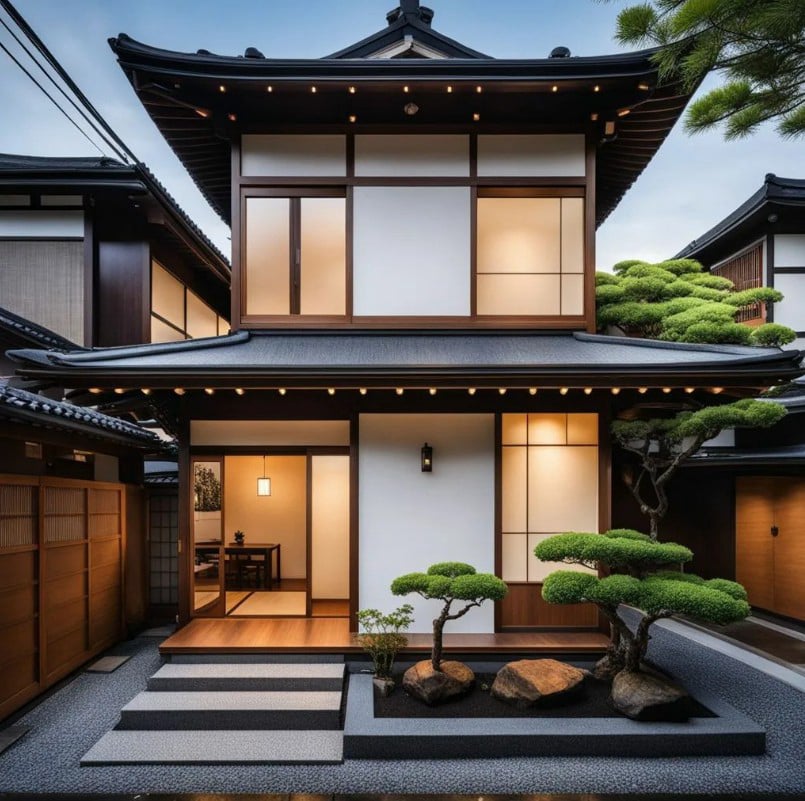
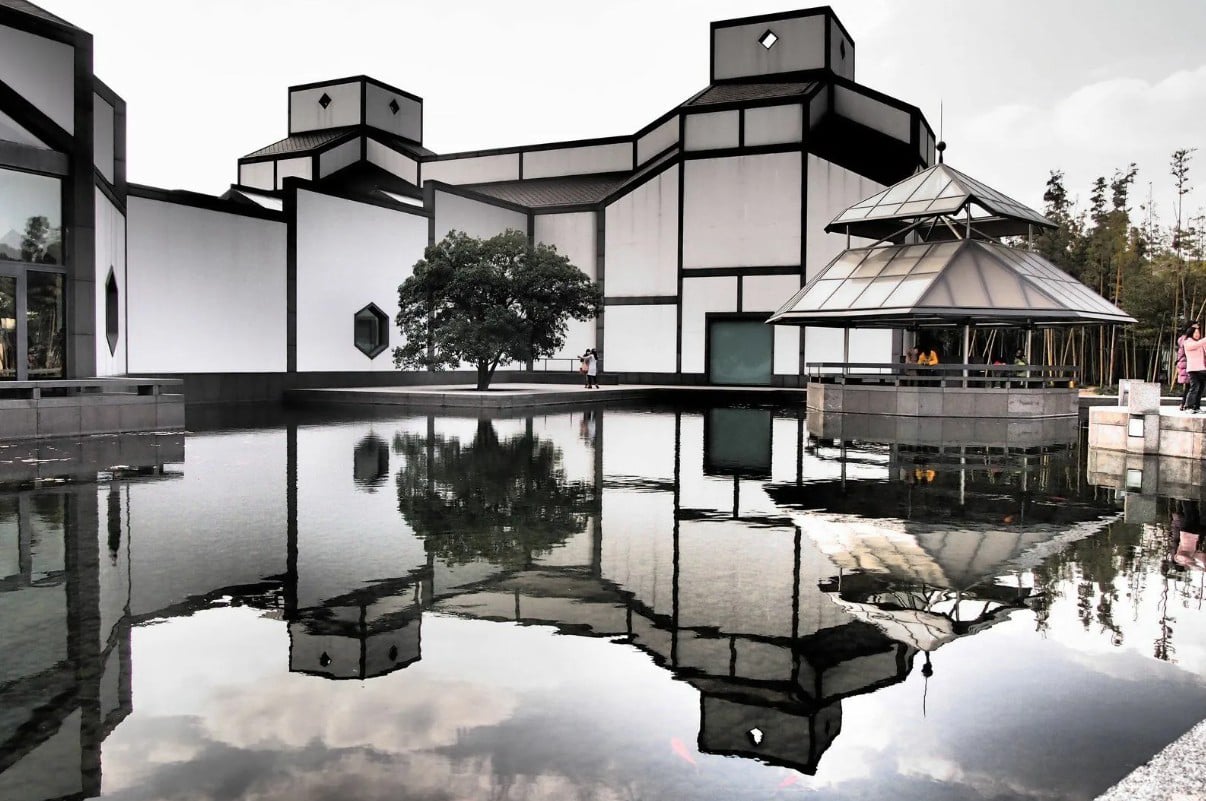
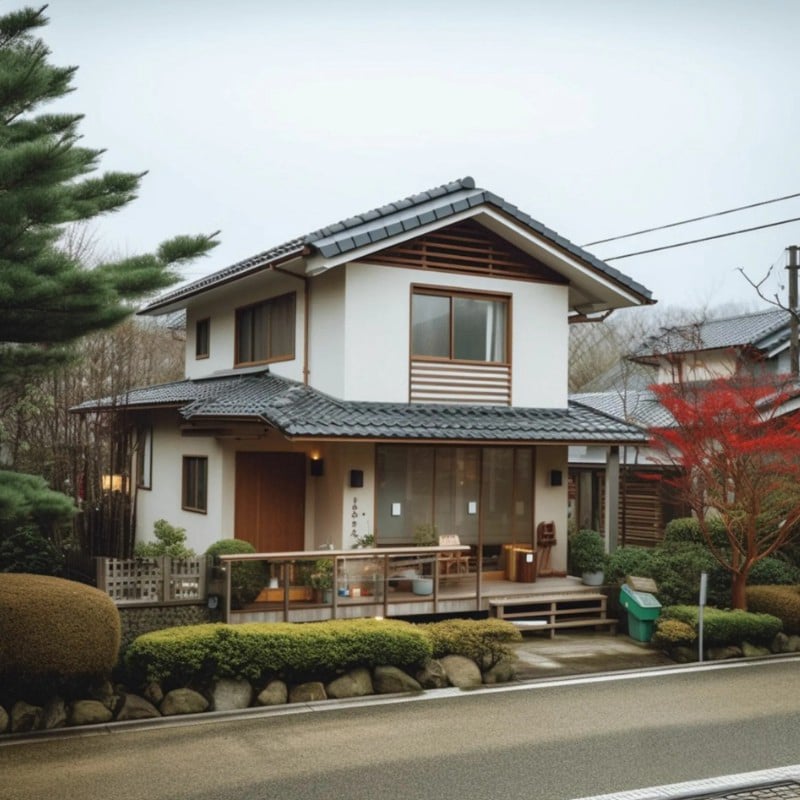
Exploring the quiet power of Japan’s architectural heritage. From the dustless floors of traditional houses to the moss-covered stones of Zen gardens.
Welcome to Wa no Kukan. We are a team of design historians and cultural enthusiasts based in Kyoto, dedicated to unraveling the poetry of Japan’s built environment. Our blog focuses on the intersection of nature and structure, where minimalist design meets spiritual function. We believe that every sliding door, wooden beam, and raked pebble tells a story of harmony with the seasons.
Japan’s architecture is unique because it treats emptiness as a canvas. In our articles, we explore how castles were built not just for defense but for the flow of energy, and how sacred spaces like Shinto shrines use raw wood to blur the line between the man-made and the divine. We are here to preserve this knowledge and share it with the world.
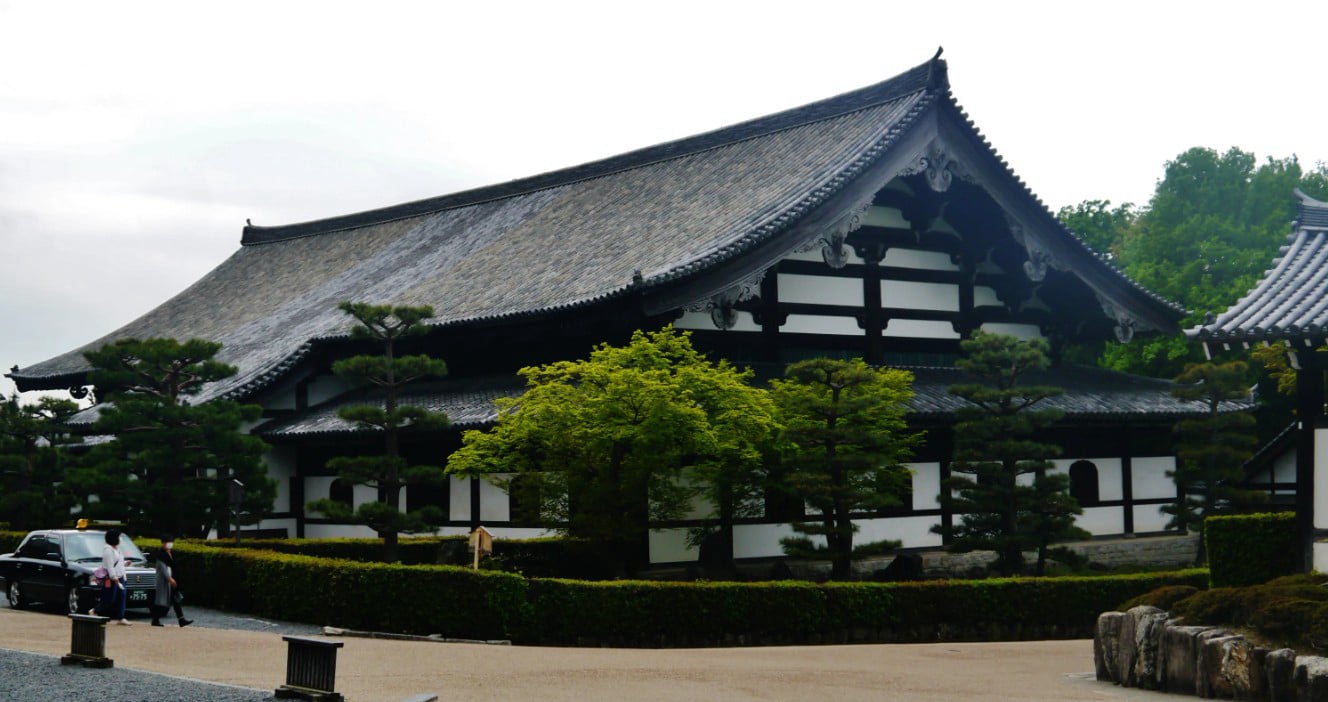
Silence is a design feature. This article explores how sacred spaces use specific ceiling heights and wooden floor vibrations to enhance meditation. Discover why monks built “nightingale floors” and how this technology travels from castles to mountain huts.
It is not just about rocks and sand. We break down the seven principles of Zen gardens, including kanso (simplicity) and seijaku (tranquility). Learn how minimalist design in a 50-square-meter garden can alter your perception of time.
Behind the armored walls of Japan’s castles lie ingenious kitchen layouts that fed hundreds of samurai. We connect the logic of these functional spaces to modern traditional houses, showing how fire safety and water flow dictated the birth of minimalist design.
With over 8 million vacant homes in Japan, what happens to classic thatch-roofed minka? This piece argues that traditional houses are not museums but living models for sustainable living. We compare their post-and-beam structure with sacred spaces to find architectural truth.
Our goal is to democratize the knowledge of Japanese spatial aesthetics. Too often, the terms Zen gardens or traditional houses are reduced to mere Instagram backgrounds. We want to change that by providing deep, research-backed storytelling that explains why a curve in a roof or a shadow in a corridor feels peaceful.
Furthermore, we aim to document disappearing techniques. As Japan modernizes, the craftsmen who build castles and sacred spaces are dwindling. We are building a digital archive of interviews and photo essays to ensure that the philosophy of minimalist design survives for the next generation of architects and dreamers.
Unlike general travel blogs, we live on the ground in Japan. We visit remote castles before the tour buses arrive and sit with caretakers of Zen gardens during private cleaning hours. Our content reflects the real, unpolished Japan.
We don’t just list facts about traditional houses; we measure the energy. Our unique methodology explains how sacred spaces use light and shadow for mental restoration. We connect minimalist design principles directly to human psychology.
A Zen garden changes every week. We publish content according to the 72 micro-seasons of Japan. From snow protection in castles to humidity control in traditional houses, we cover maintenance secrets that other blogs ignore.
We do not promote hotel chains or retail products. Our relationship with sacred spaces is purely educational. When we talk about minimalist design, we talk about philosophy, not furniture shopping.
We envision a world where architecture serves the soul, not the economy. Our vision is to see minimalist design adopted globally as a cure for digital overstimulation. We believe that if more people understood the geometry of sacred spaces, cities would become quieter, and homes would become sanctuaries.
Specifically, we hope to see a revival of shakkei (borrowed scenery) outside of Japan. By studying how Zen gardens absorb the distant mountains and how castles use natural moats, we can redesign urban landscapes to be less aggressive. We want Wa no Kukan to be the bridge between ancient Japanese carpenters and future green architects.
Haruki Tanaka
Founder & Architectural Historian
Yuna Sato
Garden Curator & Photographer
Kenji Mori
Cultural Anthropologist
Wa no Kukan started in a renovated machiya (townhouse) in Kyoto in 2018. Initially, it was just a small notebook shared between two friends who were frustrated by the lack of accurate English information about castles and sacred spaces. We began uploading hand-drawn maps of Zen gardens that were often misrepresented by mass tourism.
Over the last six years, we have grown into a trusted resource for architecture students and Japanophiles. We have restored a small archive of blueprints of traditional houses and consulted on the reconstruction of a small tea house. Our history is rooted in the love for minimalist design and the patience of a raked gravel garden.
Yes. However, we recommend checking our seasonal guides first. Many castles have restoration scaffolding in summer, while Zen gardens are best viewed at opening hour (7 AM) to experience true silence.
All Zen gardens are Japanese gardens, but not vice versa. A Zen garden specifically uses minimalist design (often only rocks and sand) to represent abstract water. Traditional sacred spaces usually include ponds and bridges.
In our articles, we show how traditional houses use passive cooling and natural light, lowering energy bills. However, their thatched roofs require local craft knowledge—something we teach in our workshops near castles.
No, due to preservation laws protecting sacred spaces. But we do offer detailed visual breakdowns of minimalist design principles found in Shinto architecture and old castles.
Avoid large platforms. Look for local machiya trusts. In our blog, we have a list of restored traditional houses located within walking distance of historic Zen gardens and castles, verified by our team.
1-17 Higashikujō Kitakarasumachō, Minami Ward, Kyoto, 601-8017, Japan